Retinol, a form of vitamin A, is known as the “golden anti-aging ingredient” in the skin care field.
Retinoic acid (RA) is a biologically active metabolite of vitamin A that acts on cells to establish or alter patterns of gene activity [ 1 ] .
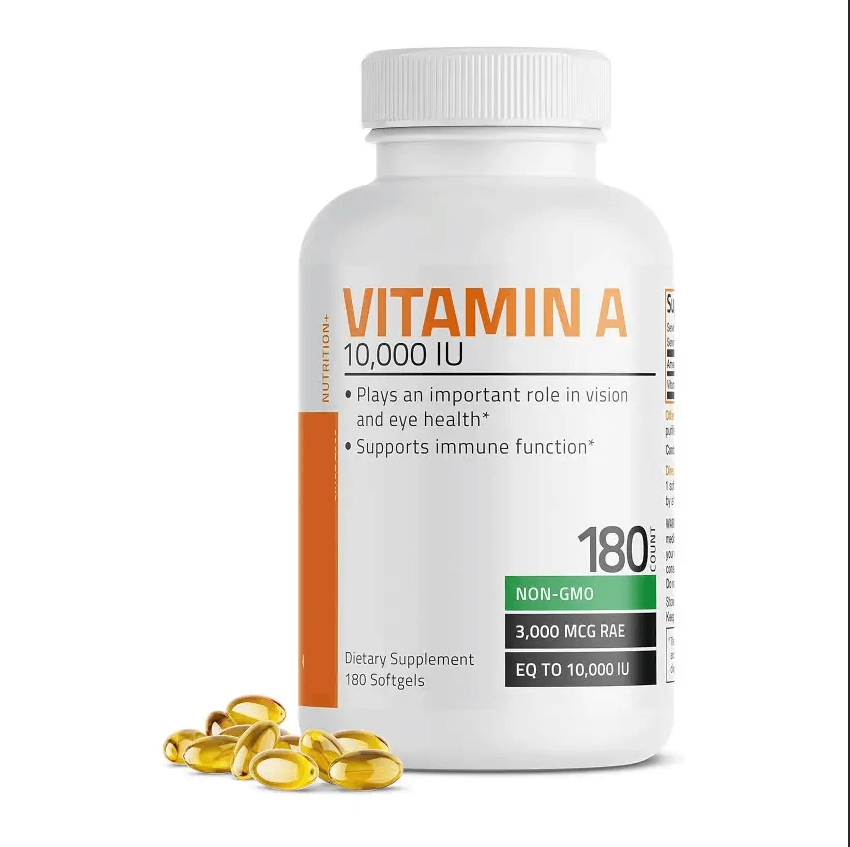
Vitamin A is a general term for a class of fat-soluble retinoids, primarily retinol and retinyl esters. Vitamin A is involved in immune function, cell communication, growth and development, and male and female reproduction. Vitamin A supports cell growth and differentiation and plays a key role in the normal formation and maintenance of the heart, lungs, eyes, and other organs. Vitamin A is also a key component of vision, as it is an important component of rhodopsin [ 2 ] .
Retinoid‘s powerful ability to boost collagen production, accelerate cell renewal, and improve photoaging has made it a star ingredient in numerous skincare products. However, with its widespread use, questions about its effectiveness, contraindications, and recommended treatments are also gaining increasing attention.
This article aims to help readers fully understand the characteristics, mechanism of action and scientific usage of Retinoid by answering six key questions about its use, so as to fully utilize its effectiveness in skin care while avoiding potential risks .
Can You Use Hyaluronic Acid with Retinol?
Hyaluronic acid can be used together with retinol . The two have a synergistic effect in skin care and can jointly improve skin condition. The following is a detailed analysis from three aspects: ingredient characteristics, mechanism of action, and usage recommendations:
Ingredient Characteristics and Mechanism of Action
Hyaluronic acid:
Hyaluronic acid, also known as hyaluronic acid, is an acidic mucopolysaccharide and an important basic substance for moisturizing the skin.
It has a special water-retaining effect and can absorb and lock in a large amount of water, up to 100 times its own weight. It is the best moisturizing substance discovered in nature and is known as the ideal natural moisturizing factor.
Hyaluronic acid can improve skin nutrient metabolism, making the skin soft, smooth, wrinkle-removing, increasing elasticity and preventing aging [ 3 ] .
Retinoid:
it is a form of vitamin A and is a fat-soluble vitamin.
It can stimulate the production of collagen, promote cell renewal, improve skin photoaging, and reduce the formation of fine lines. It is an excellent anti-aging ingredient.
it also has the effect of brightening the skin tone and helps improve dull skin [ 4 ] .
Synergy and Effect
Mutual balance :
Hyaluronic acid and Retinoid work well together, balancing each other.
As a moisturizing ingredient, hyaluronic acid can provide sufficient moisture to the skin and keep it hydrated.
Retinoid acts as an anti-aging ingredient, boosting collagen production and improving skin texture and elasticity.
Relieve irritation :
Although Retinoid has a powerful anti-aging effect, it is highly irritating and can easily cause uncomfortable symptoms such as dry skin and redness.
Hyaluronic acid acts as a buffering mechanism, lessening the irritation of Retinoid on the skin and alleviating dryness and discomfort.
Using the two together can make Retinoid work better while reducing its side effects.
Usage Recommendations and Precautions
Recommended to use at the same time :
Hyaluronic acid and Retinoid can be used together for optimal skincare results.
You can start your skincare routine with a moisturizing product containing hyaluronic acid to provide your skin with ample moisture.
Follow with an anti-aging product containing Retinoid to boost collagen production and cell turnover.
Note the order and frequency of use :
When using products containing Retinoid, it is recommended to start with a low concentration and gradually build tolerance.
The frequency of use can be adjusted according to personal skin condition to avoid skin discomfort caused by excessive use.
Retinoid is easily oxidized and ineffective in sunlight, so it is recommended to use it at night.
Pay attention to sun protection and moisturizing :
When using products containing Retinoid, you need to pay attention to sun protection to avoid UV damage to your skin.
People with dry skin also need to pay attention to moisturizing when using Retinoid to relieve skin dryness and discomfort.
Can You Use Niacinamide with Retinol?
Niacinamide can be used together with retinol . The combination of the two can synergistically improve skin problems, but attention should be paid to skin tolerance, usage sequence, concentration ratio, product compatibility and sun protection measures. The specific analysis is as follows:
Synergistic mechanism
Retinol : As a vitamin A derivative, it improves fine lines and enhances skin elasticity by promoting keratin metabolism and collagen synthesis, while also having anti-aging effects.
Niacinamide : As a vitamin B3 derivative, it brightens skin tone by inhibiting melanin transfer, improves skin moisture balance, reduces inflammation, and has oil-control and soothing effects.
Synergistic Effect : Combining these two ingredients can achieve both anti-aging and whitening benefits, creating a “1+1>2” synergistic effect. Niacinamide’s soothing properties can also mitigate retinol’s irritation, reducing the incidence of adverse reactions such as redness and dryness.
Precautions for use
Concentration control :
he recommended initial concentration of retinol should not exceed 0.3%, and the niacinamide concentration should be controlled within the range of 2-5%.
High concentrations of retinol can easily cause irritation, and superimposing them with niacinamide may aggravate skin reactions. It is recommended to start with a combination of 0.1% retinol and 2% niacinamide to build tolerance.
Order of use :
It is recommended to use niacinamide as a primer first, and then apply retinol after 5-10 minutes of absorption.
Niacinamide’s small molecule properties aid in the penetration of subsequent ingredients, and its soothing effect buffers the irritation of it.
Skin tolerance :
Those with sensitive skin should test behind the ear and use it on the face only if there is no adverse reaction for 3 consecutive days.
It is recommended to use it 2-3 times a week in the initial stage. Discontinue use if persistent stinging occurs.
It is recommended to use moisturizer with dry skin, and gel-textured products can be selected for oily skin to reduce the risk of acne.
Product Compatibility :
Avoid using it at the same time as products containing high concentrations of vitamin C, fruit acid or salicylic acid to prevent ingredient conflicts that may damage the barrier.
Some brands have adjusted the pH value when combining the two into a single product. If you mix them yourself, you need to ensure the pH value is between 5-7 to prevent the inactivation of the ingredients.
Sun protection measures :
Retinoid increases photosensitivity, so you must use sunscreen with SPF 30 or above during the day.
Although niacinamide is photostable, ultraviolet rays will weaken its whitening effect, so sun protection is still necessary.
Can You Use Salicylic Acid with Retinol?
Salicylic acid and retinol are not recommended to be used together for the following reasons:
Risk of stimulus superposition
Salicylic acid : As a fat-soluble organic acid, it has anti-infection, anti-fungal, keratin-splitting and pore-unclogging effects, but it is irritating and needs to be used under the guidance of a doctor at an appropriate concentration and in a gradual manner to avoid excessive irritation of the stratum corneum [ 5 ] .
Retinol : A fat-soluble vitamin that can promote skin renewal, lighten spots and fight aging, but excessive use may cause dryness and flaking of the skin and is also irritating.
Risks of combined use : Both are irritating to the skin. Combined use may increase the burden on the skin, cause barrier damage, and cause adverse reactions such as sensitivity, peeling, redness and swelling.
Professional advice and case support
Professional advice : Most dermatologists and skin care experts do not recommend the combined use of salicylic acid and retinol, believing that the combined irritation may damage the skin barrier.
Case support : Some users experienced skin intolerance, such as peeling and redness, after trying combined use, further confirming the risks of combined use.
Recommendations for use in special circumstances
People with strong skin tolerance : Some people with strong skin tolerance may not feel obvious discomfort after combined use, but they still need to carefully observe skin reactions.
Recommendations for time-of-use : If you need to use salicylic acid and retinol at the same time, it is recommended to use them at different times, such as using salicylic acid during the day (with sunscreen) and using it at night to reduce skin irritation.
Start with low concentration and low frequency : Initial use should start with low concentration and low frequency to gradually build skin tolerance. For example, it can initially be used 2-3 times a week at night, along with a moisturizer. Salicylic acid can be used topically, but be used with caution in sensitive areas (such as around the eyes).
Precautions for use
Observe skin condition : During use, you should closely observe the condition of your skin. If you experience adverse reactions such as persistent stinging, redness, or scaling, you should stop using it immediately and consult a professional dermatologist.
Sun protection measures : it is photosensitive, so sun protection should be strengthened after use. During the day, you should use SPF50+ sunscreen and use hard sun protection (such as hats and masks).
Avoid use with other irritating ingredients : Retinol should not be used with high-concentration active ingredients such as high-concentration VC, fruit acid, alcohol products, etc. to prevent excessive irritation to the skin.
Can You Use Retinol While Breastfeeding?
It is generally not recommended for breastfeeding women to use retinol products for the following reasons:
Potential risk analysis
Health risks for infants : Retinoid may enter the infant’s body through breast milk. Infants have a weak ability to metabolize vitamin A. Excessive intake may cause symptoms of poisoning, such as loss of appetite, dry skin, or increased intracranial pressure.
Maternal Skin Risks : Breastfeeding women may have more sensitive skin, and their hormone levels may not yet return to normal. Retinol, as a functional skincare ingredient, can be irritating, and may cause skin intolerance and allergies, such as redness, itching, and rashes.
Teratogenic risk : it has a certain teratogenic risk. Although breastfeeding babies have been born, considering that their nutrition comes from the mother, it is not recommended to use it.
Special Circumstances
Physician evaluation : In very rare cases, if the doctor assesses that the benefits of treatment outweigh the risks, short-term use of low-concentration retinol preparations may be recommended. However, this is very rare and requires careful monitoring of the infant’s reaction. Avoid using the product before breastfeeding.
Dietary supplements : Breastfeeding women can supplement vitamin A through diet, such as eating more foods rich in vitamin A, including pears, bananas, watermelons, cabbage, shepherd’s purse, pumpkin, cucumber, etc.
Safety Recommendations
Choose gentle products : Breastfeeding women can choose moisturizing products that do not contain retinol, such as basic skin care products containing hyaluronic acid and ceramide.
Maintain a healthy lifestyle : Make sure to get enough sleep and drink enough water, and consume vegetables and fruits rich in vitamin C every day to help maintain skin health.
Consult a doctor : If you have serious skin problems, you should consult a doctor to choose topical medications that are safe during breastfeeding, and avoid using cosmetics or medicines containing retinol or other retinoic acid derivatives on your own.
Can You use vitamin C with retinol?
Vitamin C (VC) and retinol are generally not recommended to be used together for the following reasons:
Effect of pH value difference
Vitamin C : It works best in an acidic environment at a pH value of ≤3.5.
Retinoid: Its optimal working pH value is between 5.5 and 6.5, which is a weakly alkaline to neutral environment.
Risks of combined use : The pH values of the two products are very different. Using them together may not achieve a suitable acid-base environment, thereby weakening the effects of their respective ingredients and affecting the skin care effect.
Risk of stimulus superposition
Vitamin C : Although it has many functions such as antioxidant, it is also somewhat irritating.
Retinoid: A derivative of vitamin A, it is also irritating and may cause thinning of the skin (but long-term use will thicken the dermis and make the skin younger and healthier. This refers to the possible short-term irritation).
Risks of combined use : Using the two together may increase the burden on the skin, causing damage to the skin barrier and causing adverse reactions such as sensitivity, peeling, redness and swelling.
Professional advice and alternatives
Time-sharing usage suggestions :
Use Vitamin C in the morning along with sunscreen to take advantage of its antioxidant properties to protect your skin from UV damage.
Use Retinoid at night : to boost skin renewal and collagen production while avoiding pH conflicts with vitamin C.
Recommended interval usage :
If you need to use them at the same time, it is recommended to wait 10 to 30 minutes after using vitamin C before using Retinoid products to reduce irritation to the skin.
Product selection suggestions :
You can choose products containing stabilized vitamin C (such as vitamin C derivatives) and retinol. These products usually have their pH adjusted and reduce irritation. For example, Sadoer Caffeine Anti-Wrinkle Retinol Skincare Cream, a long-established brand, has conducted in-depth technical research and launched this product for customers in a safe and reasonable manner. It has been recognized and affirmed by many users.
Avoid mixing high-concentration vitamin C and Retinoid products on your own.
Is vitamin C or retinol better for the skin?
Vitamin C and retinol both have significant benefits for the skin, but their mechanisms of action and application scenarios differ, making it difficult to simply determine which is better. Here are some specific comparisons and recommendations:
To improve dark spots, dullness, or photoaging : Vitamin C is the first choice. Its antioxidant properties can reduce pigmentation caused by UV rays while brightening the skin.
If you need to fight wrinkles and improve skin firmness , retinol is the first choice. It can promote collagen production and reduce both dynamic and static lines.
Need to solve multiple problems at the same time : can be used at different times (such as VC in the morning and retinol at night), or choose a product with a stable formula containing both.
Choose by skin type :
Sensitive skin/first-time users : Start with a low concentration. For vitamin C, we recommend 5%-10% L-ascorbic acid or its derivatives; for retinol, we recommend 0.1%-0.3% encapsulated or sustained-release formulations.
Tolerant skin : gradually increase the concentration. Vitamin C can be used up to 15%-20%; retinol can be used up to 0.5%-1%.
Select according to the usage scenario :
For daytime protection : Choose vitamin C. Its antioxidant properties can enhance sun protection and reduce UV damage.
Nighttime repair : Choose retinol. Skin’s ability to repair itself is enhanced at night, and retinol promotes cell renewal and collagen synthesis.
Recommendations for combined use
Time-of-use : Use vitamin C in the morning (with sunscreen) and retinol at night for a synergistic anti-aging effect.
Interval use : If you need to use them at the same time, it is recommended to leave an interval of more than 12 hours, or wait 30 minutes after using vitamin C before applying retinol to reduce irritation.
Use with a moisturizer : While using retinol, your skin may become dry and flaky, so you’ll need to use a moisturizing and repairing product (such as a cream containing ceramide or hyaluronic acid). For more health products, please visit our store .
Precautions
Build tolerance : When you first use retinol, peeling and redness may occur. It is recommended to use it 2-3 times a week and gradually increase the frequency.
Avoid irritation : Retinol is photosensitive and must be used strictly at night and with sun protection.
Stability : Vitamin C is easily oxidized and becomes ineffective. It is recommended to choose products containing stable VC (such as VC-IP, ethyl VC) or store it away from light.
Article Summary
As a highly effective anti-aging ingredient, retinol plays an important role in skincare. However, proper use of retinol and its proper combination with other skincare ingredients are crucial for achieving its optimal effects.
This article helps readers fully understand the characteristics, mechanism of action and scientific usage of retinol by answering six key questions about its use.
In the actual skin care process, we should choose appropriate ingredients and products according to personal skin problems and needs, and follow scientific usage recommendations to avoid potential risks.
Through the rational combination and scientific use of retinol and other skin care ingredients, we can better improve skin condition, delay skin aging and enjoy healthy and beautiful skin.