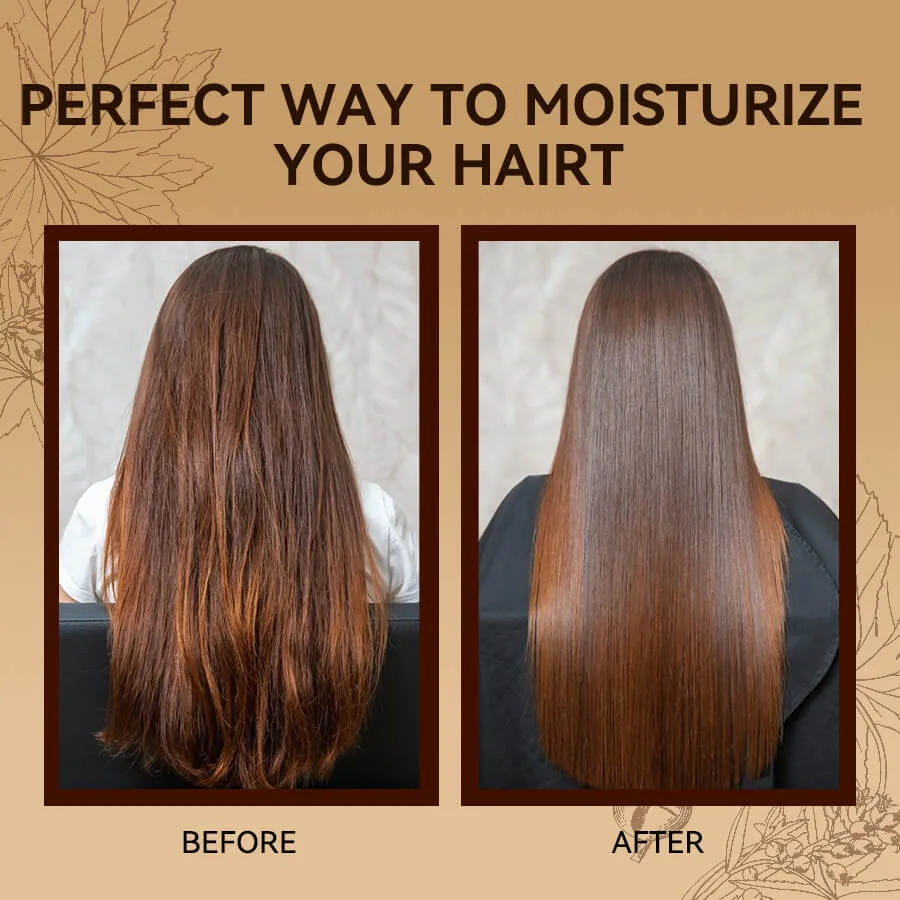
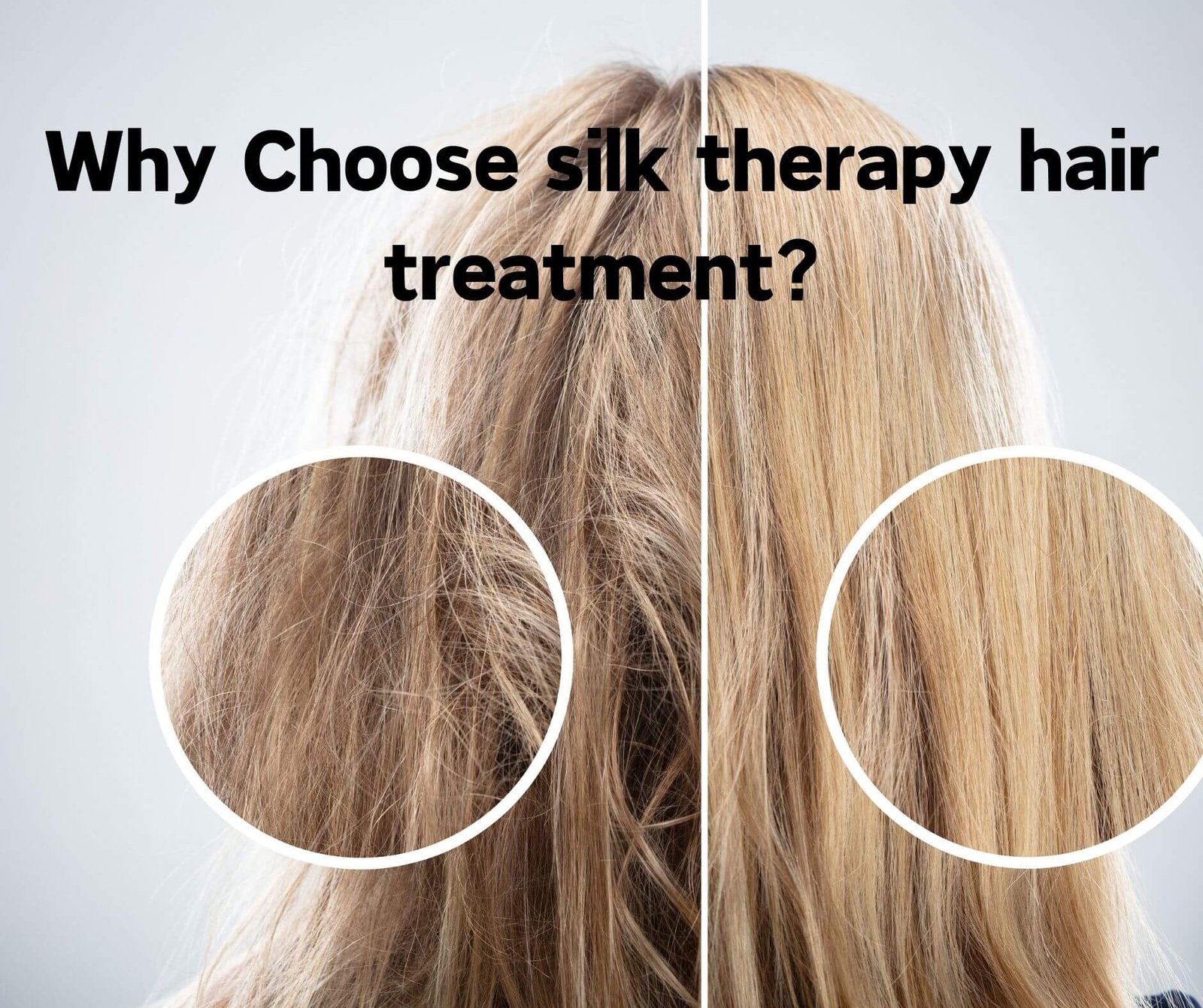
Why do some people experience significant hair improvement after choosing silk therapy hair treatment?
Why do others frequently change hair care products, yet their hair quality only worsens?
According to surveys, over 70% of people are dissatisfied with their dry and frizzy hair.
If Leafreasures told you that ordinary hair care products might not be able to completely solve your hair problems, would you believe it?
What’s so special about silk therapy hair treatment that it can truly give your hair a complete makeover?
As a hair care enthusiast or someone who repairs damaged hair, you should understand the reasons behind this!
Blocksy: Share Box
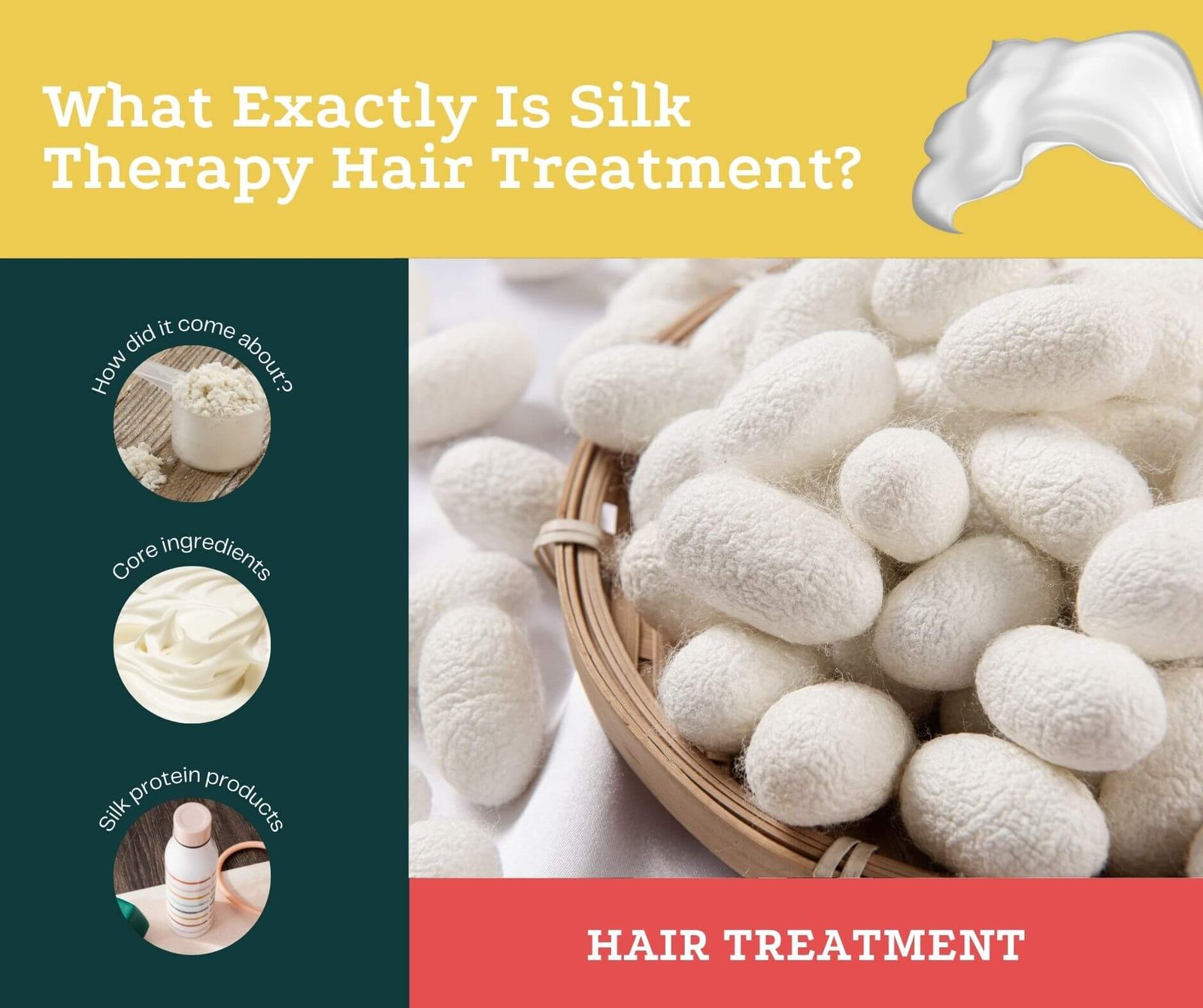
What Exactly Is Silk Therapy Hair Treatment?
Silk protein therapy is not a recent trend, but a hair care solution that has evolved over time and been scientifically validated.
The core principle of silk therapy hair treatment is to utilize the key components of silk protein to penetrate the hair core and help repair damaged hair. Unlike ordinary hair creams or hair masks that contain too many chemical ingredients, silk therapy hair treatment has unique effects on hair care.
How did silk protein hair care therapy originate?
Early Practice: Observational Application of Natural Therapy Silk
In Tang Dynasty China (7th-10th centuries AD), silk workers directly applied the liquid from boiled discarded silkworm cocoons to their hair, or mixed it with other plant oils to create simple hair treatments.
Although lacking scientific verification at the time, the silk workers’ prolonged contact with silk and its application to their hair resulted in generally smoother hair, representing the earliest form of silk therapy hair treatment.
In Japanese geisha culture, geishas frequently used silk scraps to boil water, aiming to utilize the core components of silk protein to improve their hairstyles. This is also one of the earliest forms of silk therapy hair treatment.
In some Japanese religious ceremonies, shrine records show that silk extract was often used as a hair treatment in purification rituals, symbolizing “purity and softness.”
In ancient Egypt and the Mediterranean region, Pliny the Elder’s Natural History mentions that “silk juice has the effect of making hair as smooth as silk,” reflecting the early spread of the concept of silk hair treatment.
Scientific Validation: From Laboratory to Hair Care Products
In the 1930s, Japanese scholar Wataru Itō first isolated hydrolyzed sericin from silk and verified its moisturizing and repairing functions, laying the foundation for the application of silk therapy hair treatment.
In the 1950s, scientific research confirmed that the amino acid composition of silk protein (such as serine and glycine) is highly similar to that of human keratin, further validating the affinity of silk protein for hair structure.
In the 1970s, some well-known European laboratories (such as the predecessor of Kerastase in France) began to experiment with applying silk therapy hair treatment to conditioners in order to create “silky smooth” hair. Due to the high cost, these silk protein products were only available in high-end hair salons at the time.
Currently, due to advancements in science and technology, silk protein is widely used in many products. So, through modern scientific experiments, what exactly makes silk protein so popular?
What are the core components of silk protein?
The core of the silk, which is composed of repetitive hydrophobic/ hydrophilic sections is responsible for its mechanical properties【1】. The main core component of silk fibroin is fibroin.
Fibroin is a natural high-molecular-weight fibrous protein containing 18 essential amino acids, with glycine (Gly), alanine (Ala), and serine (Ser) accounting for over 80%.
These amino acids have a highly similar amino acid sequence to human skin collagen, giving it excellent biocompatibility.The molecular structure of silk fibroin exhibits a tertiary structure.
The heavy chain (H chain), with a molecular weight of approximately 396 kDa, consists of a β-sheet crystal structure composed of repeating hydrophobic amino acid sequences (such as Gly-Ala-Gly-Ala). This structure endows fibroin with high strength and tensile strength.
The light chain (L chain), with a molecular weight of approximately 25 kDa, is connected to the heavy chain via disulfide bonds and participates in fiber assembly and stability.
The P25 protein, with a molecular weight of approximately 25 kDa, can bind to the H-L complex through hydrophobic interactions, which regulates the solubility of silk fibroin and the spinning process.
What silk protein products are available on the market?
Silk protein products encompass various categories including skincare, haircare, face masks, health foods, and textile materials. We have summarized some common product types and their characteristics in a table below.
Product Categories
Product Types
Product Features
Skincare Products
Silk Protein Toner and Lotion Set
Hydrates and brightens skin tone
Silk Protein Face Cream
Deeply moisturizes and nourishes the skin, leaving it soft and supple.
Silk Protein Facial Cleanser
removing dirt while keeping skin moisturized.
Hair care products
Silk Protein Shampoo/Conditioner
Nourishes and repairs damaged hair, leaving it smooth and shiny.
Silk Protein Hair Mask
Improves dry and split ends in hair.
Facial mask category
Silk protein facial mask sheet
Hydrates and moisturizes skin, making it whiter and firmer.
Silk protein sleeping mask
It continuously nourishes the skin while you sleep, leaving it hydrated and elastic.
Health Supplements
Silk Protein Tablets/Capsules
Supplement the body with essential amino acids and proteins
Silk Protein Beverage
Convenient for daily consumption, supplementing the body with other essential nutrients
Textile Materials
Silk Protein Fabric
It has excellent breathability, making it comfortable to wear and offering skin-care benefits.
Are silk protein products effective?
Some Japanese clinical trials studying blood sugar control have shown that silk fibroin can help lower blood sugar and blood lipids (such as LDL cholesterol) and help increase HDL cholesterol, demonstrating that its long-term safety has been verified.
Intestinal absorption studies in the United States show that approximately 3% of silk fibroin is absorbed by the human body, with the remainder excreted in feces, ensuring its safety for human consumption.
Regenerated silk fibroin membranes support the adhesion and growth of various cells, exhibit high biocompatibility, do not produce cytotoxicity, and do not allow lymphocytes to infiltrate after implantation.
##1:Repair and Nourishment in Hair Care
Experiments have shown that silk therapy hair treatment can fill in hair gaps, reduce breakage and split ends, and is especially suitable for permed and dyed hair. Silk protein molecules can penetrate deep into the hair shaft to repair damaged cuticles. Thanks to its structure being highly similar to hair’s amino acids, it helps and enhances hair’s resilience and shine.
Silk protein’s moisturizing properties are comparable to hyaluronic acid. It forms a protective film on the hair surface, effectively locking in moisture and protecting against external irritants (such as UV rays and pollutants). Hair is not sticky after use, and long-term use of silk protein hair care products can help improve dry and frizzy hair.
The antioxidants in silk protein (such as glutathione) help fight free radical damage to hair, delay hair aging, reduce hair loss and breakage, and keep hair healthy.
##2:Safe, gentle, and comprehensively protects the skin.
Silk protein contains 18 amino acids to nourish the skin, effectively keeping it hydrated. It combines with the skin’s natural moisturizing factors, resulting in outstanding water-locking ability.
Experiments show that silk protein’s moisture absorption rate is equivalent to 48% of glycerin, and it doesn’t leave a greasy feeling after use, making it suitable for various skin types, including sensitive skin.
In terms of skin whitening, silk protein inhibits tyrosinase activity and melanin production. Its small-molecule silk peptides have a more significant melanin-inhibiting effect. Long-term use of silk protein skincare products can help fade skin blemishes and brighten skin tone.
Silk protein has superior antioxidant capacity compared to vitamin C, promoting collagen synthesis and enhancing the skin’s antioxidant and anti-aging abilities, making the skin more elastic and helping to reduce wrinkles and fine lines.
Silk protein can accelerate wound healing, effectively repair scar formation, inhibit pathogen growth, and alleviate inflammatory responses. Using silk protein skincare products has a repairing effect on acne-prone skin and damaged skin barriers.
##3:Advantages of Silk Protein in the Pharmaceutical Field
Silk protein is biocompatible and biodegradable. Membranes and hydrogels made from silk protein can be used in artificial blood vessels, skin repair, and bone tissue engineering, promoting cell regeneration and accelerating wound healing.
Silk protein microspheres can also serve as drug carriers, participating in drug delivery systems, controlling drug release, improving therapeutic efficacy, and reducing the side effects of other drugs.
Silk protein is a natural product, free of additives and preservatives. Clinically proven to have no side effects, silk protein is suitable for long-term use by a wide range of people.
Comparison of silk protein with other hair care ingredients
In the field of hair care, silk therapy hair treatment demonstrates a more comprehensive and in-depth advantage over traditional hair care methods in terms of ingredients, primarily reflected in its ingredient characteristics, nourishing and repairing effects, protective functions, and user experience.
We have compiled a detailed table comparing silk protein with other common hair care ingredients to help you clearly identify its key characteristics.
Comparison Items
Silk Protein
Traditional Hair Care Ingredients(silicone oil, cationic surfactants, etc.)
Ingredient Characteristics
Silk protein is rich in 18 amino acids, a naturally occurring high-molecular-weight protein with a structure similar to that of human hair, making it easily absorbed.
Improves hair quality through chemically synthesized ingredients, primarily by forming a protective film on the surface and using cationic surfactants to reduce static electricity.
Nourishing and Repairing Effects
Deeply nourishes hair and repairs damaged cuticles, reducing split ends and breakage, improving overall hair elasticity, thereby reducing stretch damage, providing antioxidant protection, and delaying hair aging;
It has weak surface moisturizing and repair capabilities, is ineffective for severely damaged hair, lacks elasticity-enhancing effects, and most do not possess antioxidant functions, thus generally having limited nourishing effects on hair;
Protective Function
Forms a long-lasting protective film on hair, reducing damage from external environmental factors, filling gaps in hair strands, and strengthening the hair’s structure.
It cannot form a long-lasting and effective protective film, and frequent reapplication is required to fill the gaps in the hair.
User Experience
Suitable for all skin types, effectively conforms to hair;
Some products may affect hair’s cleanliness and cause scalp irritation.
Why does silk protein therapy hydrate the hair?Silk protein is rich in hydrophilic amino acids such as serine. Scientific research shows that sericin extracted from silkworm cocoons contains various beneficial amino acids, such as aspartic acid, glycine, and serine. Among these components, sericin has a strong hydrophilicity.
It is precisely because of these properties that silk protein allows hair to fully absorb moisture, making it especially suitable for use after curly or dyed hair. When used in conjunction with a silk hair oil, it can provide even deeper hydration!
✨ Frizz Be Gone:
Hair is a filamentous biomaterial primarily composed of proteins (especially keratin)【2】. Silk protein’s main component is amino acids, which are highly similar to keratin in human hair. Raised hair cuticles cause dryness and frizz. Experiments have shown that silk protein molecules can penetrate deep into the hair shaft, repairing damaged hair structure at its source.
Silk protein is broken down into small-molecule amino acids and polypeptides using enzymatic hydrolysis. Hydrolyzed silk protein can penetrate the hair cuticle layer, repairing broken cuticles and enhancing hair resilience.
Another reason to choose silk therapy hair treatment is that some incompletely broken-down silk protein macromolecules aggregate on the hair surface, forming a uniform and dense protective film through intermolecular forces (such as hydrogen bonds and hydrophobic interactions). This protective film is highly breathable, allowing air and water molecules to pass through, while blocking damage and irritation to the hair from ultraviolet rays, pollutants, and other external factors.
💪 Strengthens Weak Strands:
Why does regular use of silk protein reduce hair breakage?Silk protein achieves this effect primarily through its multiple mechanisms, including deep nourishment of hair, repair of damaged hair, enhanced hair elasticity, and the formation of an antioxidant protective film.
As mentioned earlier, silk protein is rich in 18 amino acids, 9 of which are essential amino acids for the human body. These nutrients penetrate deep into the hair shaft to provide long-lasting protection.
Even more protectively, the hair cuticle plays a crucial role, but it is often damaged by blow-drying, dyeing, and perming, causing it to lift or break. The amino acid composition of silk protein is highly similar to keratin, the main component of the hair cuticle. This allows silk protein to repair damaged cuticles, further enhancing hair protection.
In addition, the antioxidant components in silk protein (such as glutathione) can resist free radical damage to hair.
After use, the large molecules of silk protein form a breathable protective film on the hair surface. This protective film makes the hair more resilient to external stimuli, reducing the likelihood of breakage.
Do you know what’s the best? Silk therapy hair treatment works for all hair types—whether straight, curly, wavy, or anything else!
How to Use Silk Therapy Hair Treatment: A Step-by-Step Guide
Want to try a free silk protein hair treatment at home? You can follow these simple steps:
Step 1: Choose Your Product
Quick Fix: Apply a suitable amount of silk protein hair oil to damp hair before styling.
Deep Repair: Choose a hair mask or leave-in conditioner containing silk ingredients.
Step 2: Apply Like a Pro
After a deep shampoo, towel dry your hair.
Take a coin-sized amount of the silk treatment product (or 2-3 drops of silk hair oil).
Lather the cream in your palms, then apply it to the mid-lengths to ends of your hair—avoid the roots to prevent oiliness!
Use a wide-tooth comb to comb through your hair, ensuring even coverage.
Step 3: Lock in the Magic
Hair Mask Application: After applying the silk product to your hair, wait 10-15 minutes, then rinse thoroughly with warm water.
For Hair Oil/Leave-in Conditioner: Use 1-2 times per week for best results with consistent care.
Pro Tip: Add a few drops of silk oil to your conditioner for an extra boost!
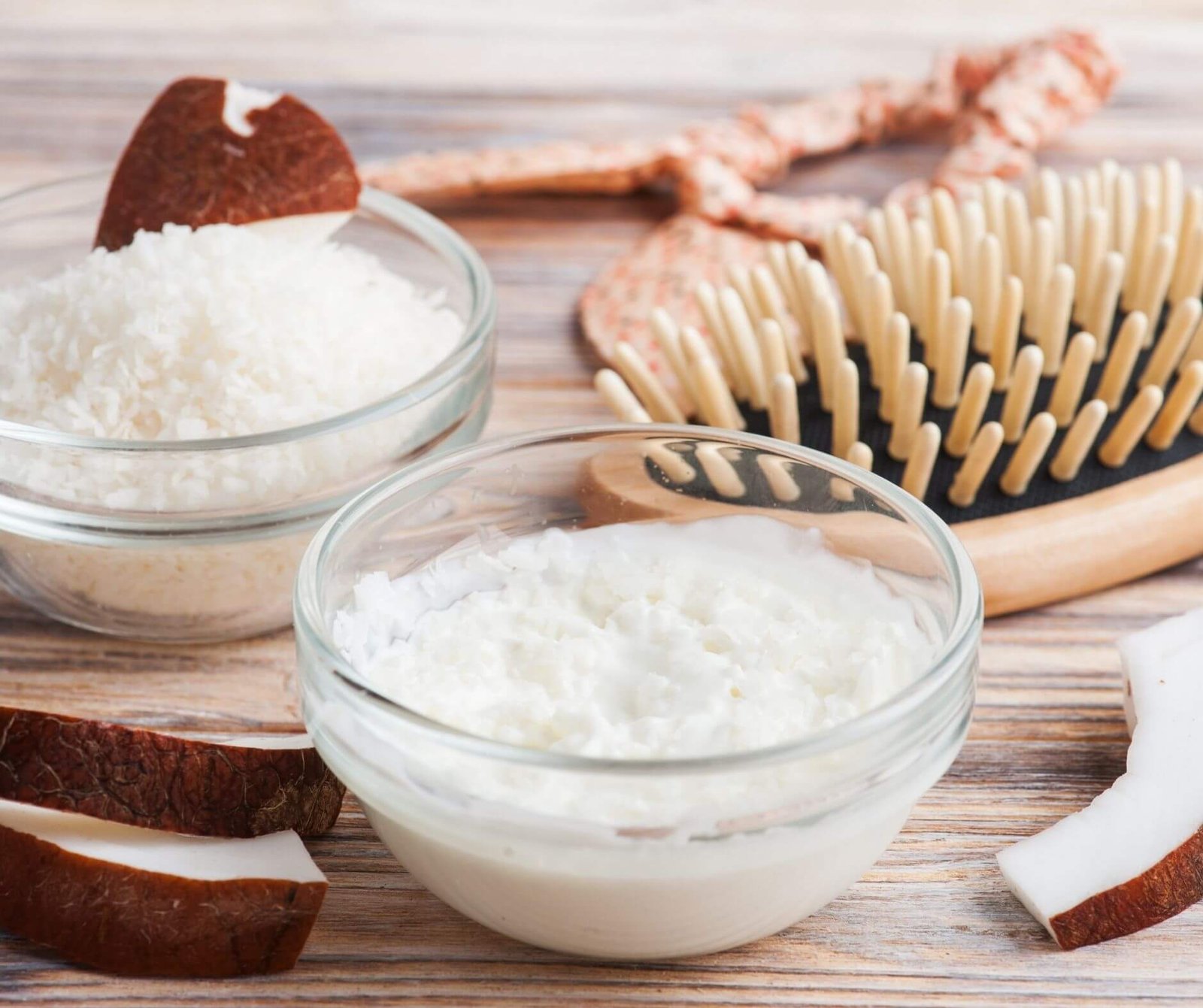
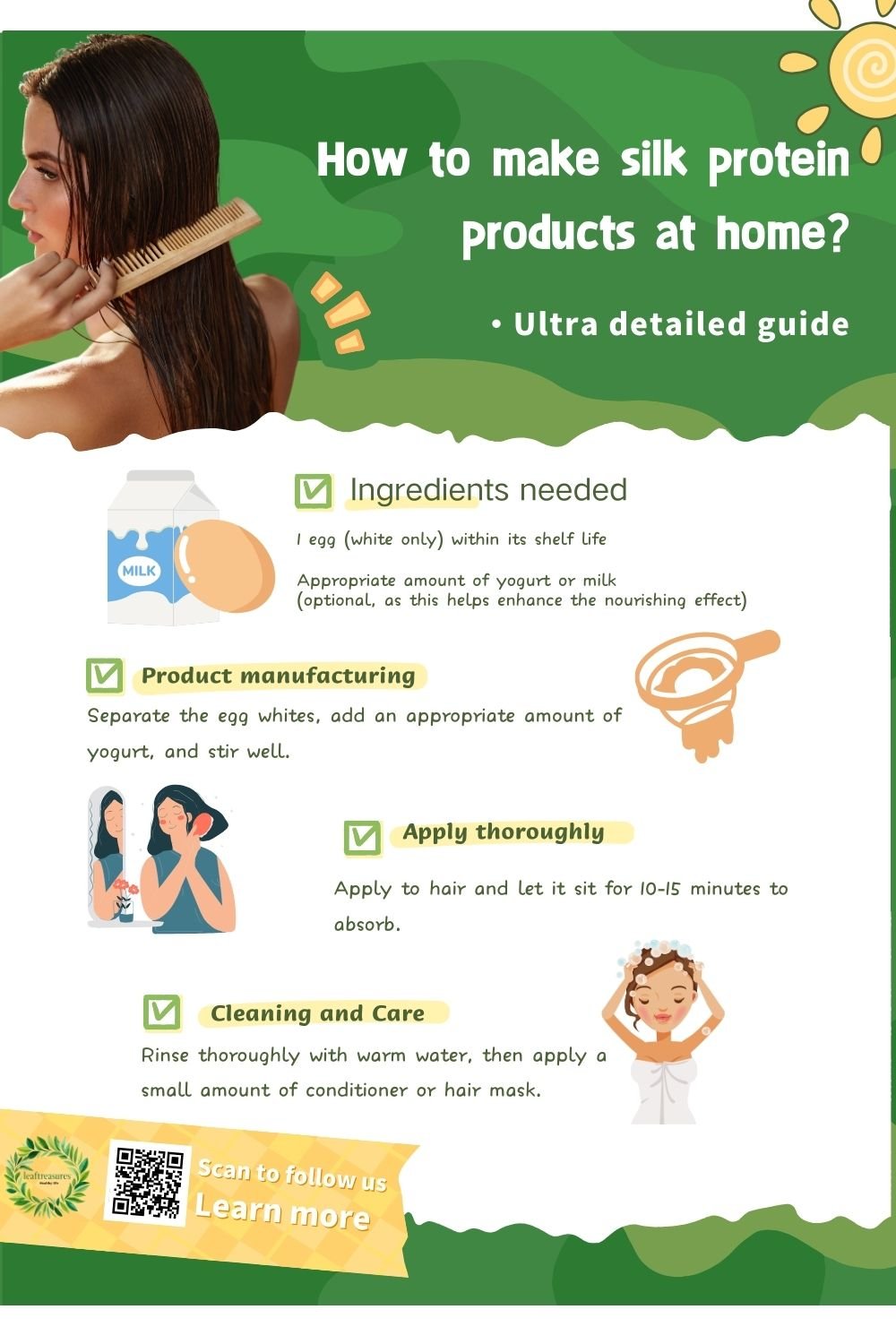
How to make silk protein products at home?
Research has found that egg whites, rich in protein and amino acids, can nourish damaged hair, enhance its elasticity and shine, and are particularly suitable for dry and frizzy hair.
Ingredients needed:
1 egg (white only) within its shelf life
Appropriate amount of yogurt or milk (optional, as this helps enhance the nourishing effect)
Preparation Steps:
Separate the egg white: Crack the egg and separate the egg white using a clean container.
Mix and Stir: Add a suitable amount of yogurt or milk to enhance the nourishing effect, stirring thoroughly until a smooth, lump-free consistency is achieved.
Apply and Massage: Apply the mixed liquid evenly to damp hair, especially the ends and damaged areas. Gently massage the scalp and hair strands to promote absorption of the silk protein.
Let it sit to absorb: Leave the hair on for 10-15 minutes after application.
Rinse: Rinse thoroughly with water. Do not use shampoo to avoid stripping away the silk protein.
Follow-up Care: Apply a small amount of conditioner or hair mask again for enhanced smoothness and daily care.
FAQs About Silk Therapy Hair Treatment
Q1: Is silk therapy safe for color-treated or chemically processed hair? To date, there have been no cases of safety issues. Silk protein helps lock in color and slow down hair fading.
Q2: Can I use silk hair oil every day? Overuse on fine hair may lead to oil buildup. It is recommended to use it 2-3 times per week.
Q3: Where can I buy authentic silk therapy products? We will also be listing them on the Leafreasures online store later. Currently recommended brands include Sephora and Ulta.
Conclusion: Embrace the Silk-Smooth Transformation
We’re so glad you read this article! We’ve revealed the secrets of silk protein care! If you’re struggling with frizzy, dry, or damaged hair, this home care guide can help help your hair become stronger and shinier.
Ready to shine? Share your silk protein care experience below, or tag this article in your #SilkHair selfie! 💁♀️
Like this guide? For easy reference later! Please save it to Pinterest or share it with more people! 📌